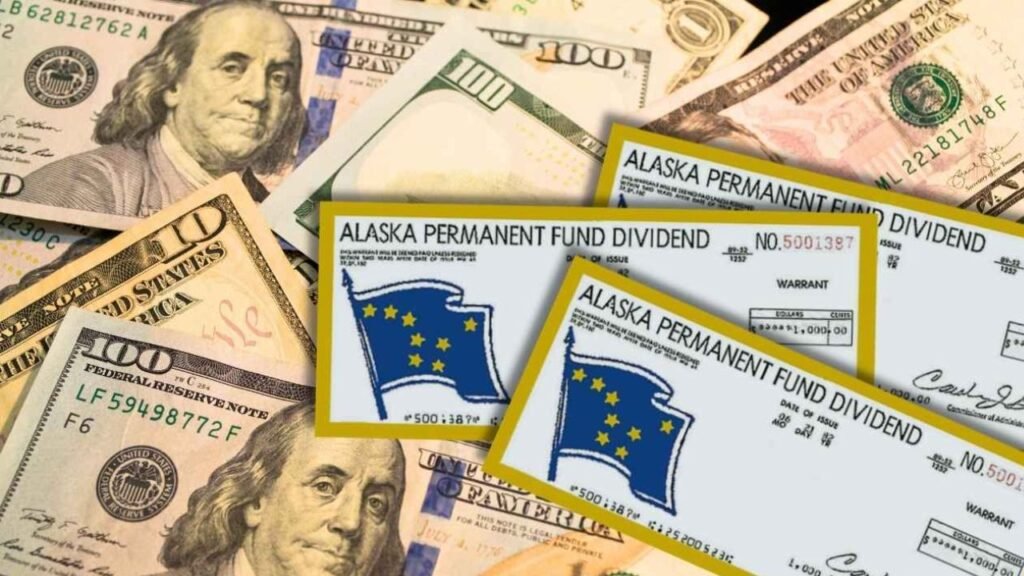
The state of Alaska is continuing its long standing tradition of sharing its resource wealth with its citizens through the Permanent Fund Dividend. This unique program allows residents to receive an annual payment funded by the state’s oil and investment earnings. As we move through January 2026, many residents are checking their bank accounts for the final waves of the 2025 payout while simultaneously preparing to file for the upcoming year.
The 2025 payment was finalized at $1,000 per eligible person. While this amount is lower than the previous year’s payout of $1,702, it remains a vital source of financial support for over 600,000 Alaskans. For those who have not yet received their funds, the Department of Revenue is continuing to process applications and issue payments through early 2026.
Table of Contents
Understanding the 2025 and 2026 PFD Timeline
The distribution of the $1,000 payment follows a strict schedule based on when an application was approved. Most residents received their funds in late 2025, but a significant number of payments are still being disbursed this month. If your status was recently updated to eligible, you can expect your funds in the next scheduled wave.
It is also important to note that the application window for the 2026 dividend is now open. Residents have from January 1 until March 31, 2026, to submit their new applications. Filing early is the best way to ensure you are included in the first mass payment wave later this autumn.
Complete Payment Schedule for Recent Batches
The Alaska Department of Revenue issues payments in monthly cycles. The timing of your deposit or check depends on when your application reached the required status.
| Payment Batch | Approval Deadline | Disbursement Date |
| November Wave | November 12, 2025 | November 20, 2025 |
| December Wave | December 10, 2025 | December 18, 2025 |
| January Wave | January 7, 2026 | January 15, 2026 |
| Future Monthly Batches | Third Wednesday of month | Third Thursday of month |
If you are still waiting for your $1,000, you should check the myPFD portal to see if the state requires any additional documentation from you. Once your status changes to eligible not paid, you will be included in the very next available disbursement date.
Eligibility Requirements for Alaskan Residents
Not everyone living in Alaska is automatically eligible for the dividend. The program is designed to reward long term residency and commitment to the state. To qualify for the current 2025 payout, you must meet the following criteria:
- You must have been a resident of Alaska for the entire 2024 calendar year.
- On the date you applied, you must have intended to remain a resident indefinitely.
- You must not have claimed residency in any other state or country since December 31, 2023.
- You cannot have been sentenced for a felony or incarcerated for a felony conviction during 2024.
- Any absences from the state must not have exceeded 180 days, except for approved reasons like military service or education.
- You must have been physically present in Alaska for at least 72 consecutive hours at some point during 2023 or 2024.
How to Check Your Current Status Online
The most efficient way to manage your dividend is through the official myPFD portal. This secure system allows you to see exactly where your application stands in the process. Because there are different stages of approval, understanding the terminology can help you predict when your money will arrive.
If your status is listed as pending, it means the state is still reviewing your residency or legal documents. A status of eligible not paid is the final step before the money is actually sent to your bank. You can also use this portal to update your direct deposit information or mailing address if you have recently moved. Be careful to only use the official government website to avoid potential scams.
The Economic Impact of the $1,000 Dividend
The Permanent Fund Dividend is more than just a check; it is a major engine for the local economy. In 2025, the state distributed over $600 million directly to residents. This influx of cash helps families manage the high cost of living in the North, especially during the cold winter months when heating and fuel costs rise.
Local businesses also see a boost as residents spend their dividends on everything from home repairs to winter gear. Even though the $1,000 amount is the lowest in five years, its impact remains significant for families in rural areas where groceries and essential services can be much more expensive than in the lower 48 states.